
【CEC继续教育】CEC2026 | Linda M Harris教授:Second Victim Syndrome.

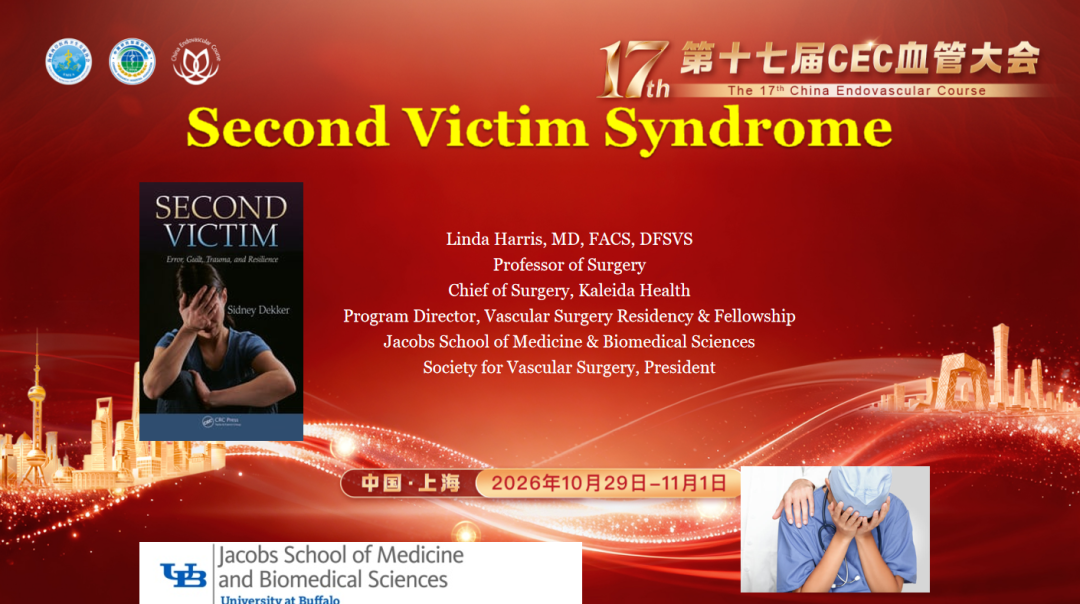
第十七届CEC血管大会(CEC 2026)在上海隆重召开。本次盛会全面展现国内外血管病领域的诊疗技术规范与学术进展,为中国血管外科打造一个具有国际影响力的学术盛宴,欢迎阅读。
演讲题目:
《Second Victim Syndrome.》
演讲嘉宾:
Linda M Harris教授
单位:
Kaleida Health

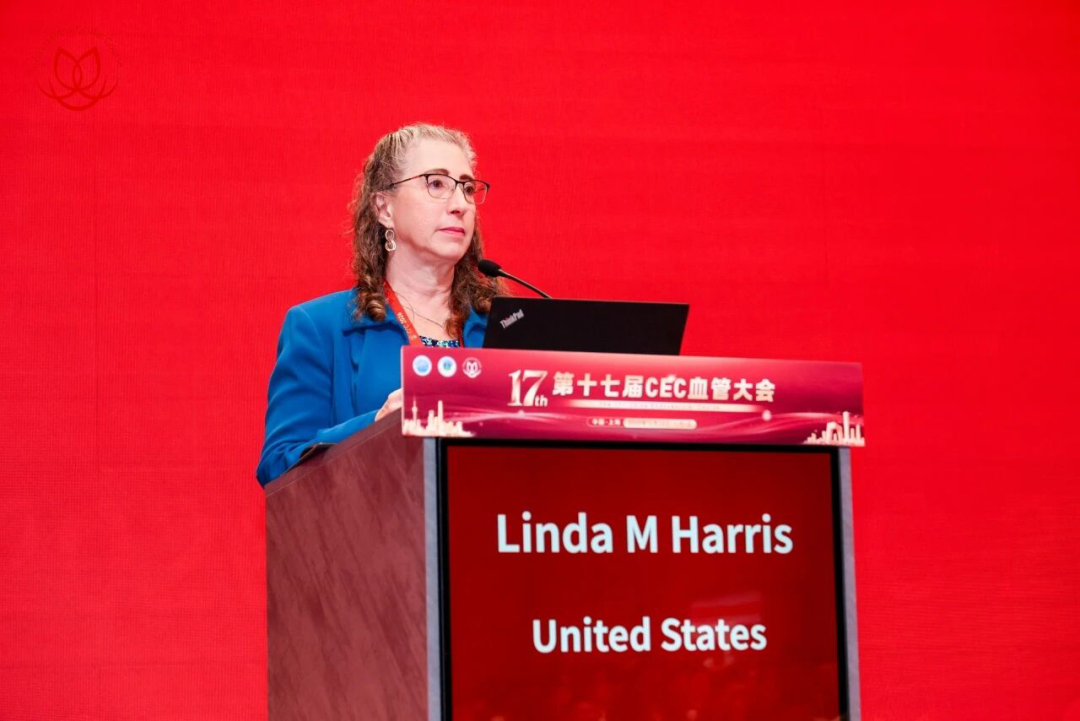
直面血管外科的"隐秘角落":第二受害者综合征
在无影灯下,医者常被寄予厚望,仿佛必须永远扮演"拯救者"的角色。然而,当面对难以避免的并发症、不良事件乃至患者死亡时,那份深深的自责、愧疚、焦虑乃至恐惧,往往将参与救治的医生推向另一重困境——"第二受害者综合征"(Second Victim Syndrome)。在追求医疗技术精进的同时,医者的心理危机同样不容忽视。

【什么是"第二受害者综合征"?】
在医疗过程中,当医护人员卷入导致患者受到伤害的不良事件时,除了患者及其家属作为第一受害者承受痛苦外,医护人员自身也会遭受严重的情绪和心理困扰,这被称为"第二受害者综合征"。该概念于2000年首次提出,如今已扩展至包含"未遂事件"及任何不良事件。
高发生率,尤其偏爱外科医生
数据表明,近60%的住院医师和专科培训医师在过去一年内经历过第二受害者综合征。在整个人生职业生涯中,预计有超过50%的医疗工作者会经历这一综合征。这一比例在外科领域尤为显著,绝大多数外科医生在执业生涯中都将面临这一心理危机。

【临床真实案例的冲击】
一个典型的临床案例能深刻揭示这种心理折磨。一位26岁的年轻女性患者,因吸烟史、家族冠心病史,并伴有严重的生活方式受限性跛行(双侧ABI仅0.59和0.51),被确诊为肾下腹主动脉闭塞。尽管进行了主髂动脉旁路移植术,但在恢复期间脉搏消失,再次探查发现主动脉吻合口有致密血栓(无技术问题)。
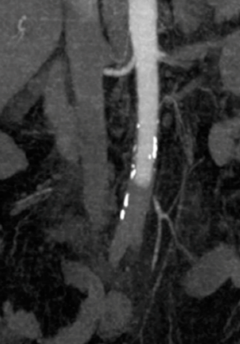
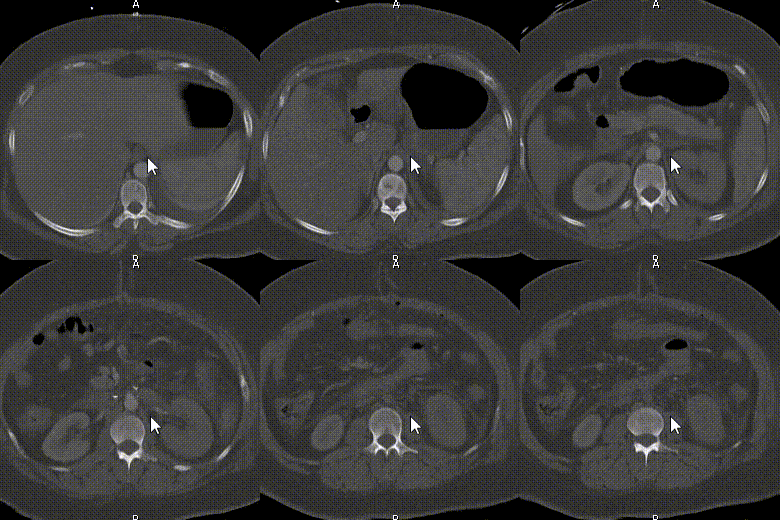
此后数年,患者因依从性差、妊娠、严重的腹腔粘连等原因反复发作,经历了多次极高风险的手术和介入治疗(包括右肾动脉覆膜支架植入、反复血栓切除等)。
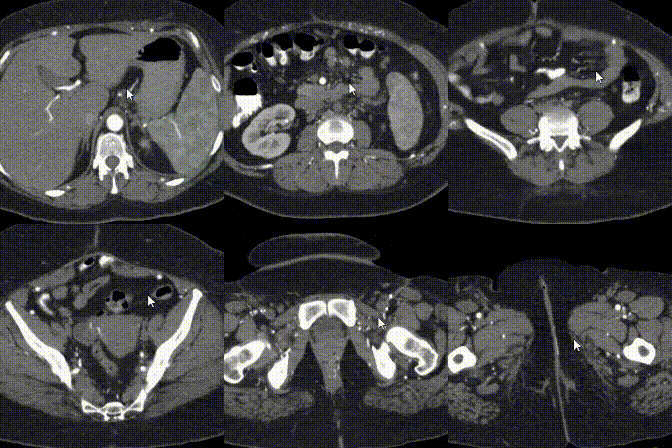
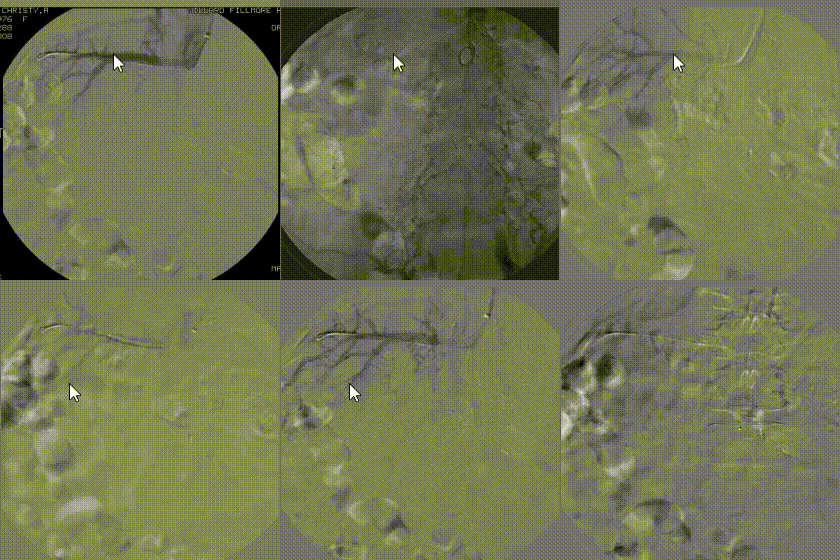
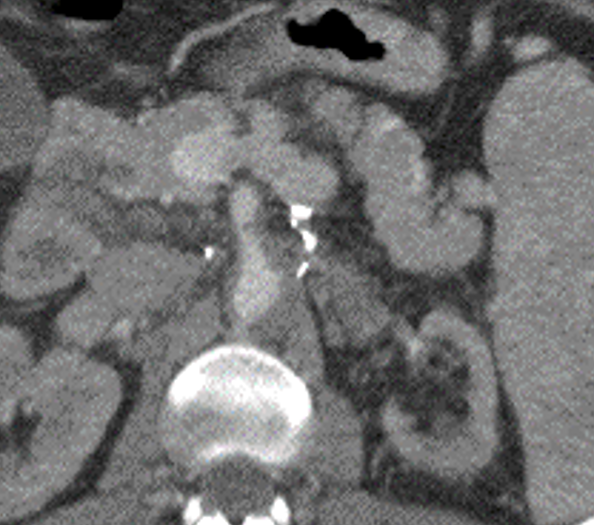
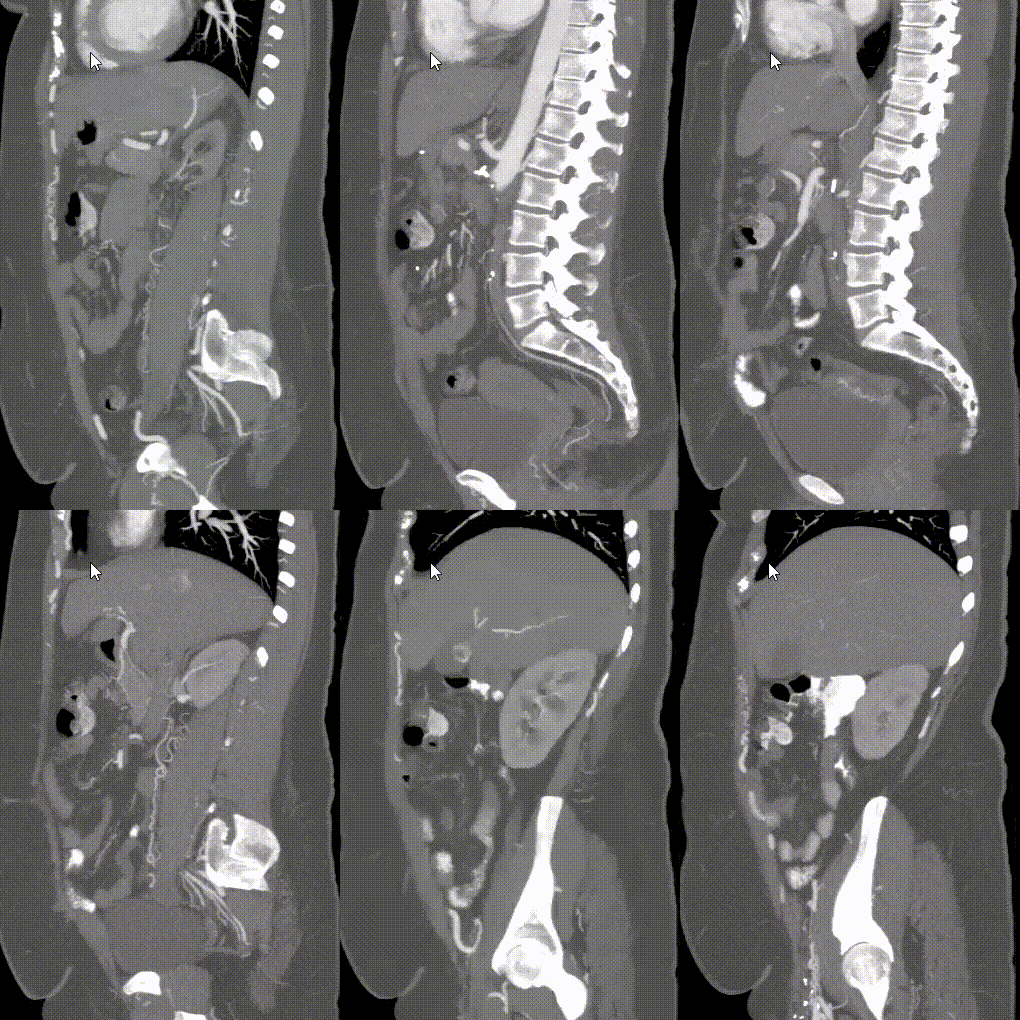
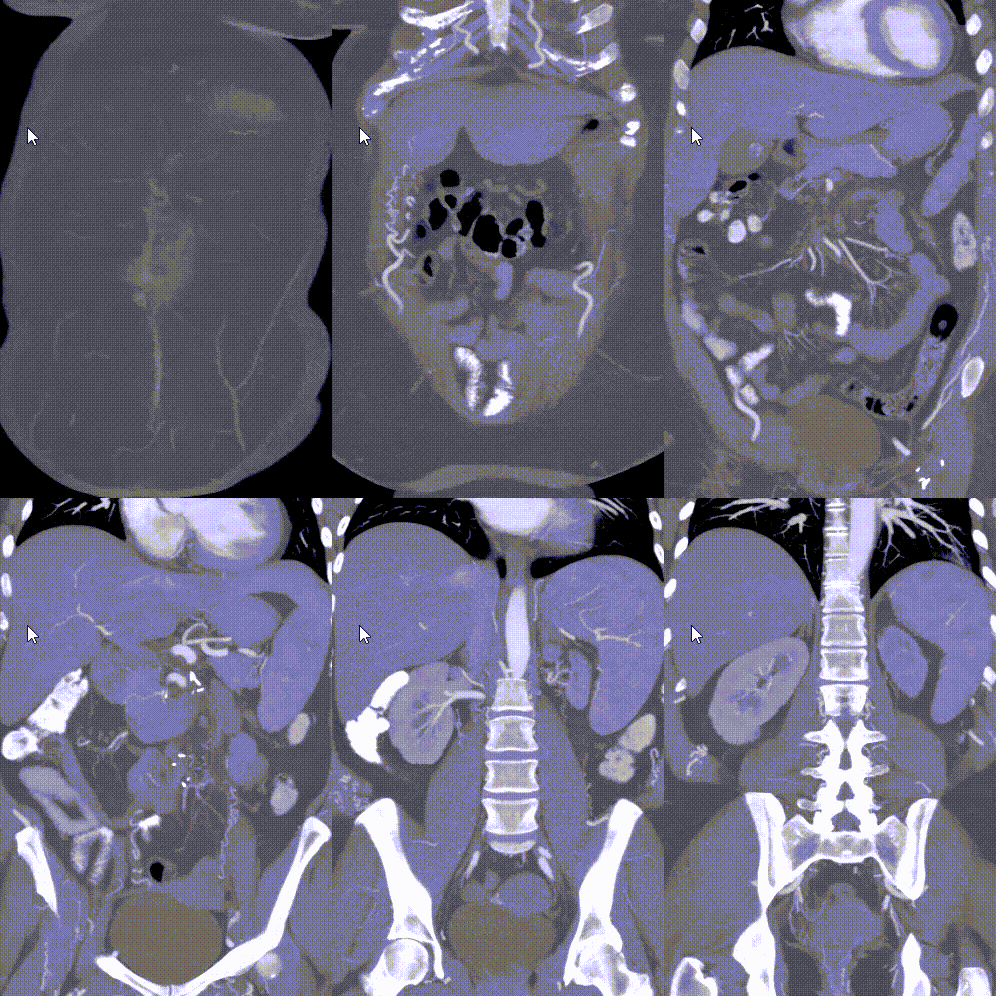
最终,在一次急性上肢肿胀、红斑、神经功能缺损(上肢骨筋膜室综合征)及心衰的复杂病情恶化后,患者因面部脓肿引发感染性休克和感染性肺栓塞不幸离世,留下了一个8岁的孩子。几年后,医生被患者家属起诉,尽管最终经过漫长的取证和巨大压力后案件被驳回,但这一切不可避免地引发了强烈的内疚、焦虑和痛苦。
【为何医者会深陷其中?】
医疗行业对"错误"的容忍度极低,社会、医院及同行往往期望医生做到"完美无缺"。当错误发生时,系统常将其视为个人"异常"并予以指责,从而掩盖了修正系统性漏洞以降低错误率的根本任务。然而,医生终究是人,人必然会犯错。
不良事件的"级联效应"
大多数不良事件往往是由一系列事件的级联反应导致的(一旦中间环节未被阻断,便会导致"救治失败")。然而,当事医生往往会感到被孤立、暴露,在纠结"该告诉谁、该说什么"中备受煎熬。由于缺乏应对此类情况的培训资源,医生可能会表现出防御性行为(如指责他人或团队)。
现实中的多重恐惧
除了自责,医生还面临着向家属/患者告知真相的责任,但大多数人都缺乏相关培训。此外,"超人/女超人"心理、害怕留下不良记录、担心声誉受损和转诊受影响、以及执业资格认证问题,导致外科医生极少寻求专业心理支持。这不仅影响执业模式,还会导致共情能力下降,进一步增加医疗差错和诉讼的风险。

【弱势群体的加倍重负】
不良事件对特定外科医生群体的打击更为严重。非主流群体的外科医生(如女性和少数族裔)在发生错误时会面临额外的审视。数据显示,女性外科医生在遭遇不良事件后,转诊量会下降54%,而男性医生则无变化;且这种影响在职业生涯早期更为严重。更令人震惊的是,同行评议中存在着"阶级效应"和系统性偏见——针对有色人种医生的惩戒措施比例失调。
【影响反应严重程度的因素】
哪些情况会让医生遭受更大的心理创伤?
损伤或结局的严重程度:导致患者死亡远比未遂事件严重。
与患者/家属的联系:尤其是涉及儿童或建立了长期、紧密关系的择期手术患者。
时间因素:短时间内连续发生多起不良结局。
个人责任:实际的技术或判断失误导致伤害(感觉自己在技术上或智力上辜负了患者)。
外部环境:缺乏组织或同行的支持、面临法律诉讼等。
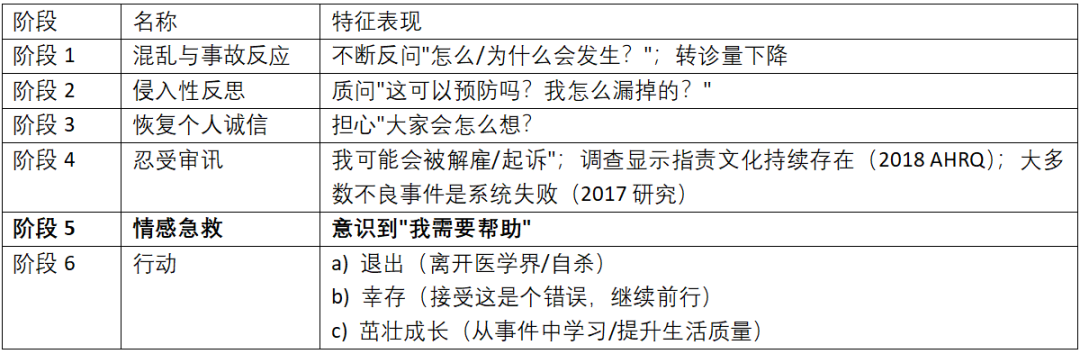
【第二受害者综合征的六个阶段】
如同经历哀伤过程,第二受害者综合征会经历以下阶段:
【总结与应对策略】
并发症和未遂事件会发生在每个人身上。即使所有步骤都正确,不良结局依然无法绝对避免,且症状在职业生涯早期更为严重。
制度层面:机构需要提供情感急救资源;死亡与并发症讨论会(M&M)不应沦为惩罚工具;不良事件后的复盘(Debriefing)至关重要。
个人层面:如果正在遭受痛苦,必须寻求帮助,绝不能压抑情绪。
同伴支持:如果目睹事件,应主动支持同事。通过积极倾听、建议寻求资源(受过培训的同伴辅导员、心理健康专家),并分享自身经历,帮助同僚走出阴霾。
专家简介

Dr. Linda Harris Biosketch
MD, FACS, DFSVS
Professor of Surgery
Chief of Surgery, Kaleida Health
Program Director, Vascular Surgery Residency & Fellowship
Jacobs School of Medicine & Biomedical Sciences
Society for Vascular Surgery, President
Dr. Linda Harris is a Professor of Surgery at the Jacobs School of Medicine and Biomedical Sciences, University at Buffalo. She is the Chief of Surgery for the Kaleida Health system. She is the Program Director of the residency program since its inception and fellowship program at UB for over 20 years. She also served as Division Chief for Vascular Surgery for over 2 decades.
Dr. Harris is a member and leader in numerous professional and scientific societies, including Past President of the Association of Program Directors in Vascular Surgery, Past President of the Eastern Vascular Society, and past Governor for the American College of Surgeons. She is the President for the Society for Vascular Surgery. She is a member of the Society for Clinical Vascular Surgery, the Society for University Surgeons, and the American Venous Forum. She has also organized and run an international meeting, the Women’s Vascular Health Summit and was a founding member and president of the International Society for Women Vascular Surgeons. She served on the Intersocietal Accreditation Commission, and has served on the Residency Review Committee of the Accreditation Council for Graduate Medical Education. She is a distinguished fellow of the Society for Vascular Surgery and a full member of the prestigious American College of Surgeons Master Surgeon Educators. She has authored and co-authored over 120 peer reviewed publications, and 30 book chapters, including serving as editor for 3 vascular textbooks, including Rutherford’s Vascular Surgery and Endovascular Therapy 11th edition. She has given numerous national and international invited presentations on a wide array of vascular diseases. Dr. Harris sits on the editorial board for the Journal of Vascular Surgery, the Journal of Vascular Surgery, Venous & Lymphatic, and also reviews for the European Journal of Vascular and Endovascular Surgery and Annals of Vascular Surgery, as well as several other journals. She is a senior examiner for the American Board of Surgery for the vascular surgical examination and has participated in the committee on Maintenance of Certification for the Vascular Board, writing questions for the exam for several years. She is a co-investigator on several NIH grants and has multiple industry sponsored grants as well as investigator-initiated grants.
Dr. Harris’s research interests focus on both clinical vascular disease and surgical education, as well as disparities in care.